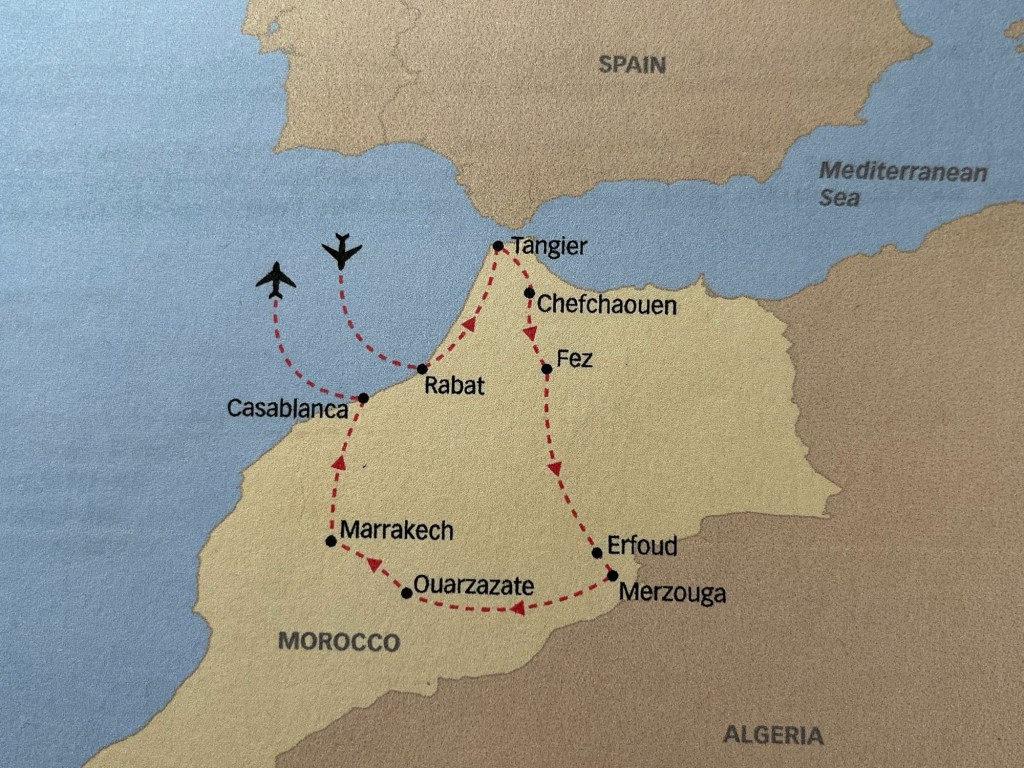
This day will prove to be “one of those days” that experienced travelers too old to be completely on their toes remember as … ahhh… “interesting” or “memorable.”
We climb to the Doge’s rooftop and are told there are only two options: a simple breakfast with yogurt and cereal, a hot drink and juice — or — a full breakfast with eggs and assorted foods. Cynthia orders the lite breakfast but the restaurant had no yogurt, so we were served the full monty: plates of beef carpaccio, smoked salmon, fruit compote, bread, 4 jams, juice and, eventually, some tea. David orders coffee and gets it.
We get snarky Mohammed to call a petit taxi (they are red here) and he asks us to give him the money to give the driver so we will not later be ripped off. Done. We get to the train station, a lovely, clean, spacious building with a line of about 100 people waiting to buy tickets. We find someone who tells us that we can use the automatic ticket kiosks if we have credit cards. The line there is about 3 people. We stick in our card. The machines are down. We get in line. We quickly learn that Casablancans have only a vague idea of lines that includes the concept of “large families get to go in front of anyone.”
The line moves pretty fast and after the gatekeeper in front of the ticket booths lets seven or eight Moroccans go ahead of us while we wait to the side, he allows us to go. Cynthia, ever penurious, gets two second-class tickets for Rabat. We go to Platform 6 as directed by the departures board and the guy checking our tickets at the entrance to all the tracks. We walk down the long platform to find Cynthia a seat and, after about 20 minutes, are told to go to platform 4. We trudge over and soon are standing in front of a train car marked “2” with about 20 other people jostling for position with another 20 nudging the scrum forward.

The train door opens and we climb to the second, top floor where we find some seats easily and realize the overhead rack might fit a bag no larger than a deck of cards and that there’s NO other space to put bags other than one on the fold-down table over Cynthia’s lap and the other on the floor in front of David’s seat. The car fills to capacity.
There is no air conditioning and none of the windows open and the humidity starts to climb with the temperature into triple digits. After a half hour David goes to the stairs at one end of the car to see if the first floor might offer more space or temperature relief. Standing room only everywhere. As he returns, a young man sitting on the aisle gently grabs his arm and beseeches David, in English, to find a conductor, complain about the air conditioning, and get it fixed. “Where might I find one?” I ask. “This is intolerable,” he says, “look, people are suffering.”
We, being experienced travelers, miss our stop in Rabat Ville and scramble off at the next stop, Rabat Sale, across the river from where we want to be. Pretty much soaking wet. We importune a guard to let us back onto the other side of the track so we can ride back one stop for free and have to dash under the tracks to get the waiting train, which we miss by less than two seconds. We cross back, leave the station, negotiate a ride in a petit taxi (blue in Rabat, not red) to our hotel in Rabat Ville, and check in.
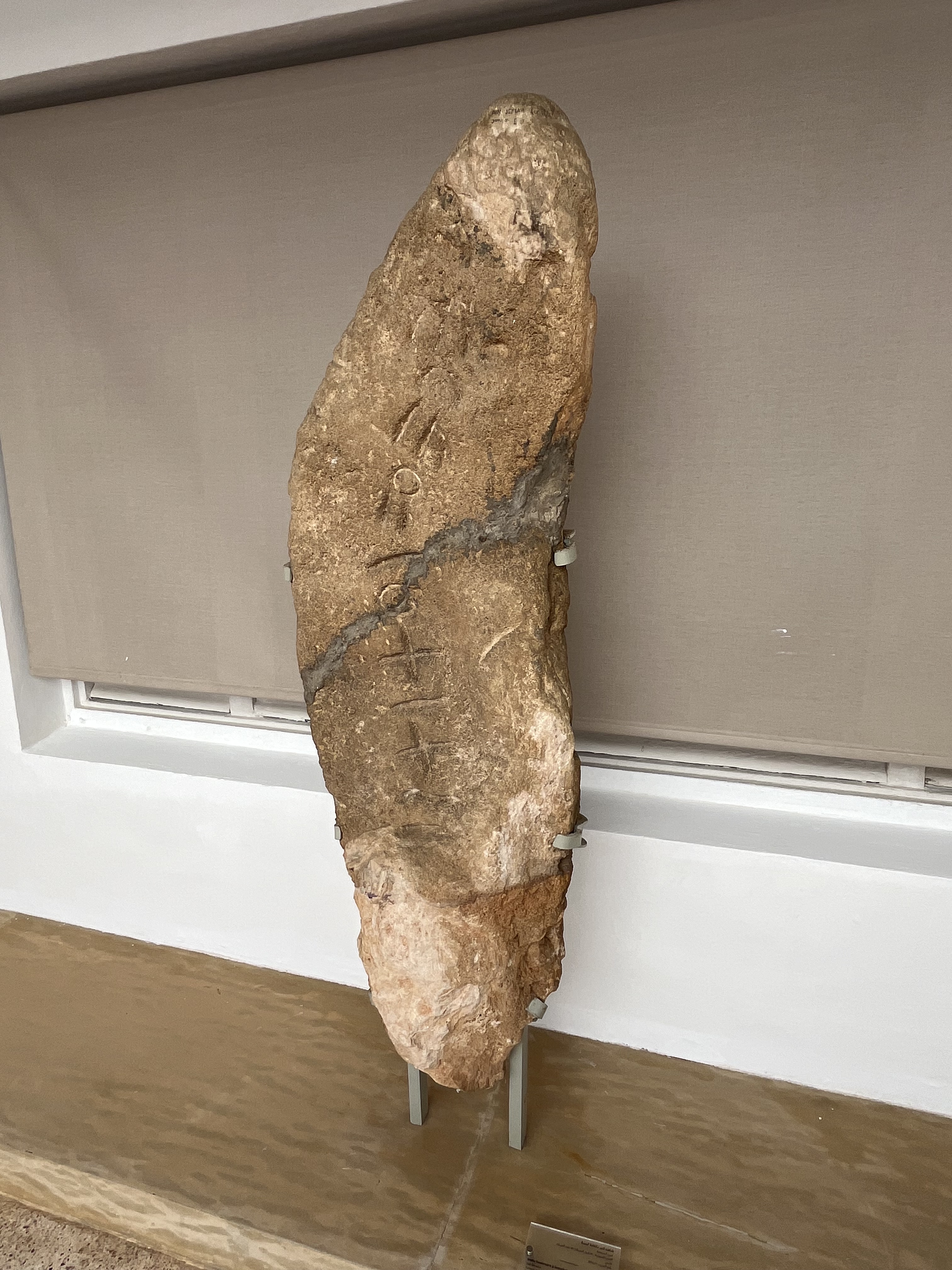
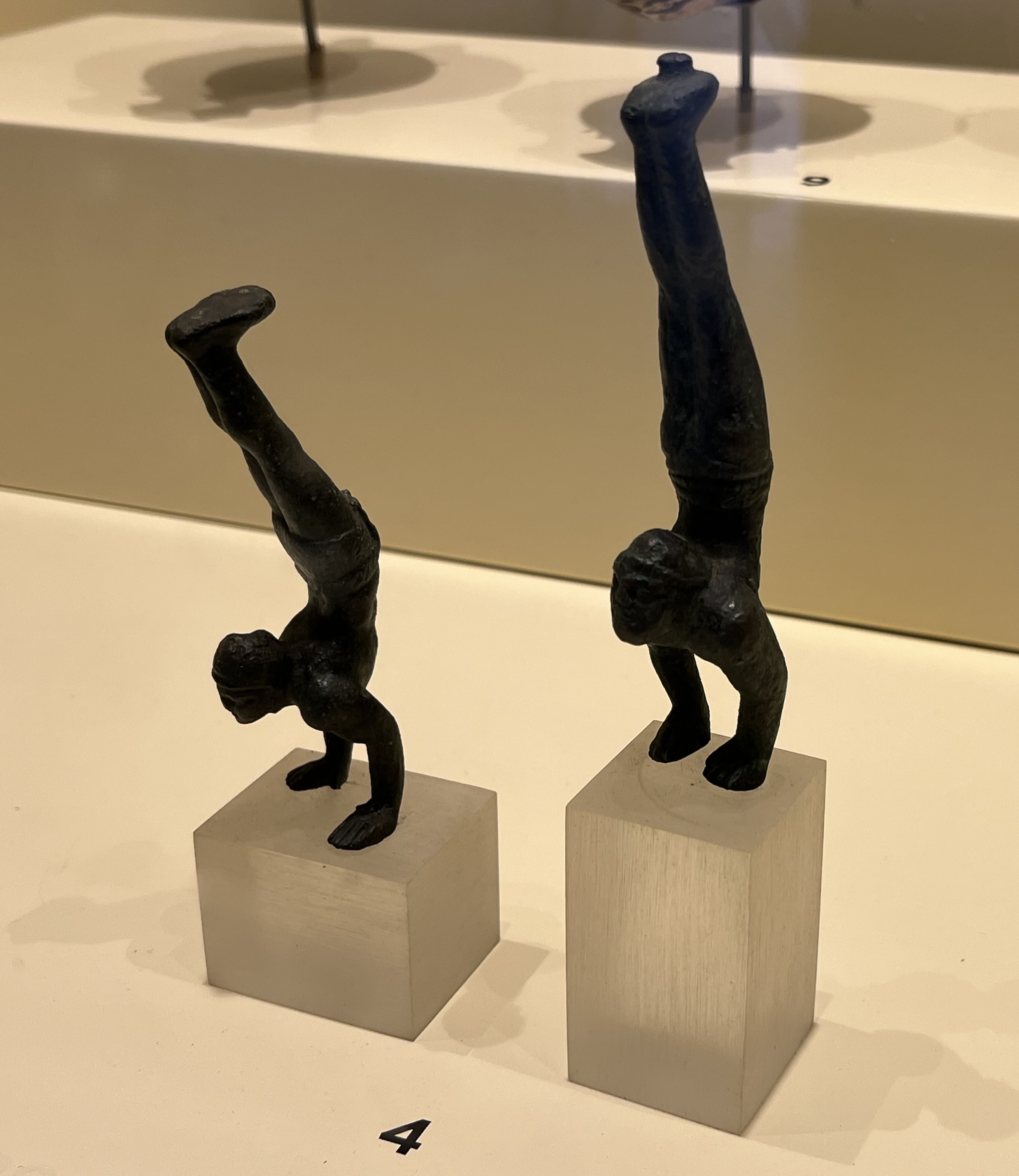
Our first-floor room is right across from the train station and facing the busy street. So we ask for another room. No “interior” rooms are available but we finally get one on the fourth floor with twin beds and, hopefully, no noise. Bags dropped, we make our way to the Museum of History and Civilizations because it will not be open the one day our Road Scholar tour gives us a free afternoon (nor will other museums we want to visit). It’s a small shop with stellae with 3000-year old writing, some small votive stellae, a third century Venus, a dismantled astrolabe (important in the Muslim world because it gave both time of day and geographic direction as aids to proper prayer), clay water pipes from the 16th century, and spectacular bronzes of Juba II (Volubilis king 23-25 AD) and Cato, friend of Pompey and not much of a friend of Julius, whom he defeated in 48 BC at the battle of Dyrrachium.
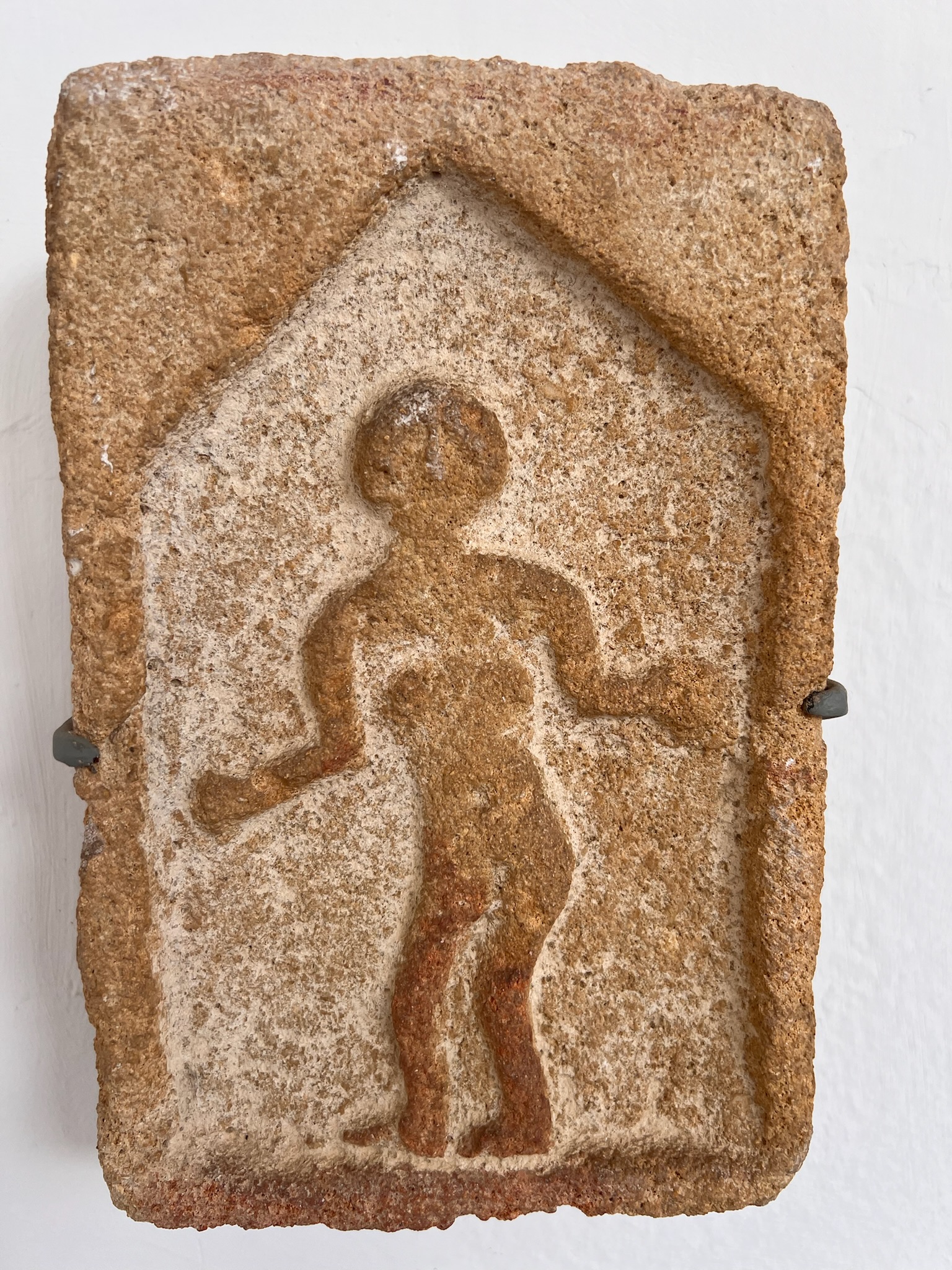
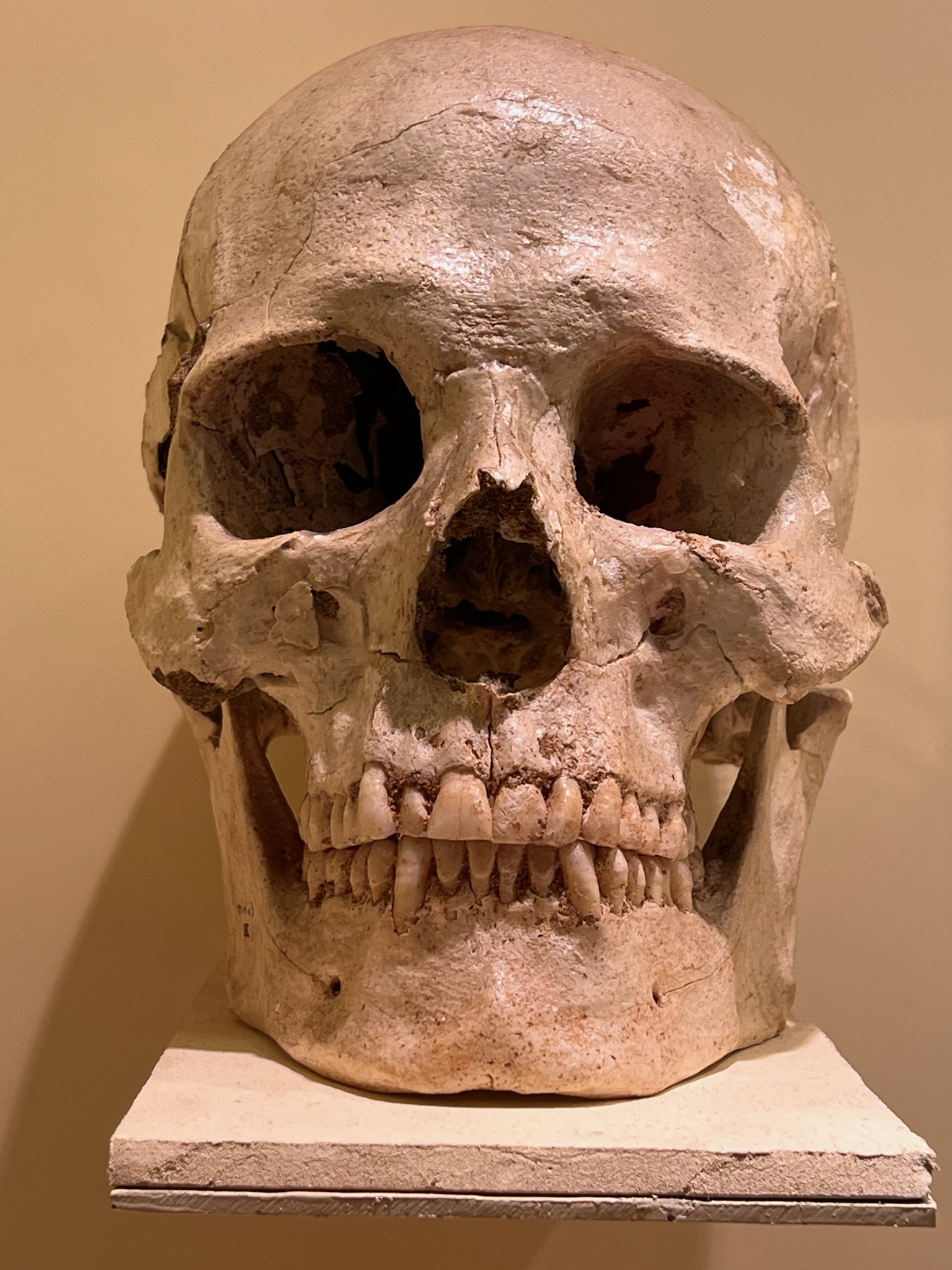
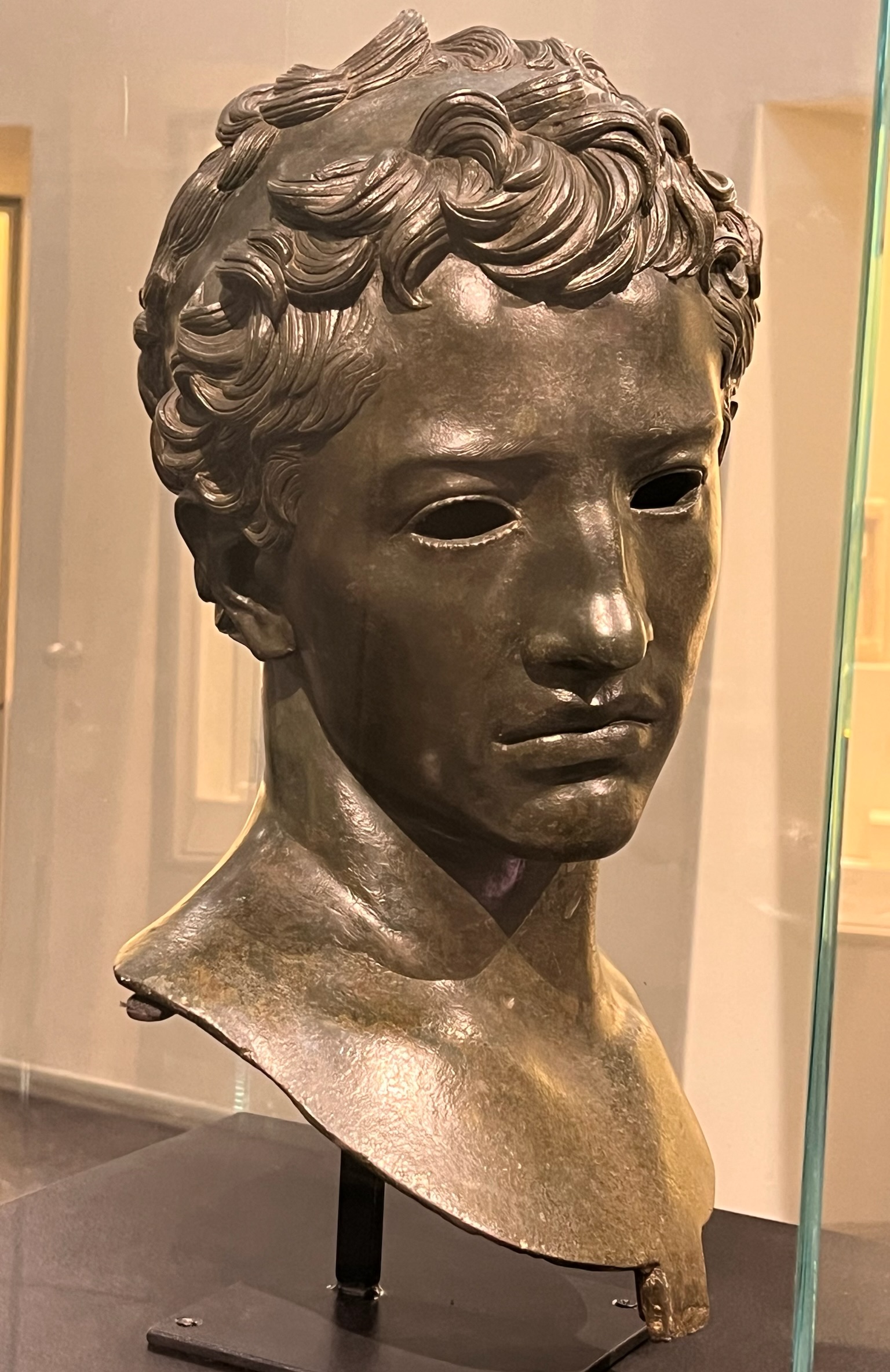
Banged back to the hotel to meet the Road Scholar group we will travel with for the next two weeks-plus and to board a bus to the Center for Cross Cultural Learning (CCCL) for our introductory group meeting and quick overview of Morocco’s cultural, political and religious history. Our chief guide-cum-caretaker-cum-interpreter-cum-teacher, Nabil Akabli.
He gives us a GREAT invention he calls a “whisper,” a roughly 3-inch square device we stick in the ID pouches we hang on our necks with our names on them (or you can hang it around your neck or stick it in your pocket). It has a long cord attached to a single earplug and each person can control its on-off and volume functions. Our guide, Nabil, has a microphone and you can hear him with absolute clarity from as far away as 200 feet. This device will prove its worth endlessly on this trip.
So, we meet and greet, staring at each others’ ID “necklaces” and get loaded into a bus and carefully driven through evening traffic to an entrance to the medina, right across from one of the main entrances to the Rabat Kasbah. We follow Nabil who leads us through a few interconnected alleys with whitewashed homes and hotels and tiny groceries with counters piled high with bread to a very large five-story house that has been converted into the Center for Cross-Cultural Learning (CCCL).
We sit at several tables set for dinner and covered by red cloths and Nabil asks us all to say where we’re from and what we want out of the trip. The group is lovely: everyone has good senses of humor, some divulge interesting history (a Peace Corps Volunteer from Morocco is in the group, another served in Botswana, a couple Canadians, from all around the country). After the “meet and greet,” Nabil gives us a quick overview of … kinda … everything, but mostly an overview of Islam:
A man named Idriss escaped persecution in Baghdad and wandered west to “the place where the sun sets” (Morocco) where the Amazigh people (Berbers), who believe that a refugee is “a guest of God”, took him in. (We cannot help but wonder how that definition might affect the world’s immigration issue these parlous and perilous days.) Long story short, he brings his belief in Islam to the Amazigh and after a few centuries it takes firm hold. Much more about the Koran, Morocco’s Islamic beliefs in later blog. Skip about 1,500 years to 1912 when, after centuries of successively good and bad relations with European powers, Morocco’s king negotiates a “Protectorate” through which the French control the north of the country (Tangiers and Asilah included), the Spanish control the middle (Casablanca) and the French, again, control the south. This lasts until 1956. (Much more about Morocco’s politics in later blog.) Today, we are told the country has 34 million people (an estimated 27% Berber), 130 billion annual GDP and a creative way of moving into an Islamic future.
We are served a wonderful soup followed by a delicious pastilla (shredded chicken, garlic, onion, butter, all manner of spice (cinnamon, ginger, turmeric, saffron, and maybe, even, orange blossom water) and finish with the always welcome hot tea poured from a height.
Whew, what a day! We walk back to the bus and to our room where, because it brings the day full circle for us, the mini-bar’s fan rattles like a Harley with glass packs for mufflers. David gets up in the middle of the night, yanks it out of its cave and kills it.
To say that we are having a wonderful, interesting, jam-packed “vacay” would be the understatement of this still young century.
 Two Tramps