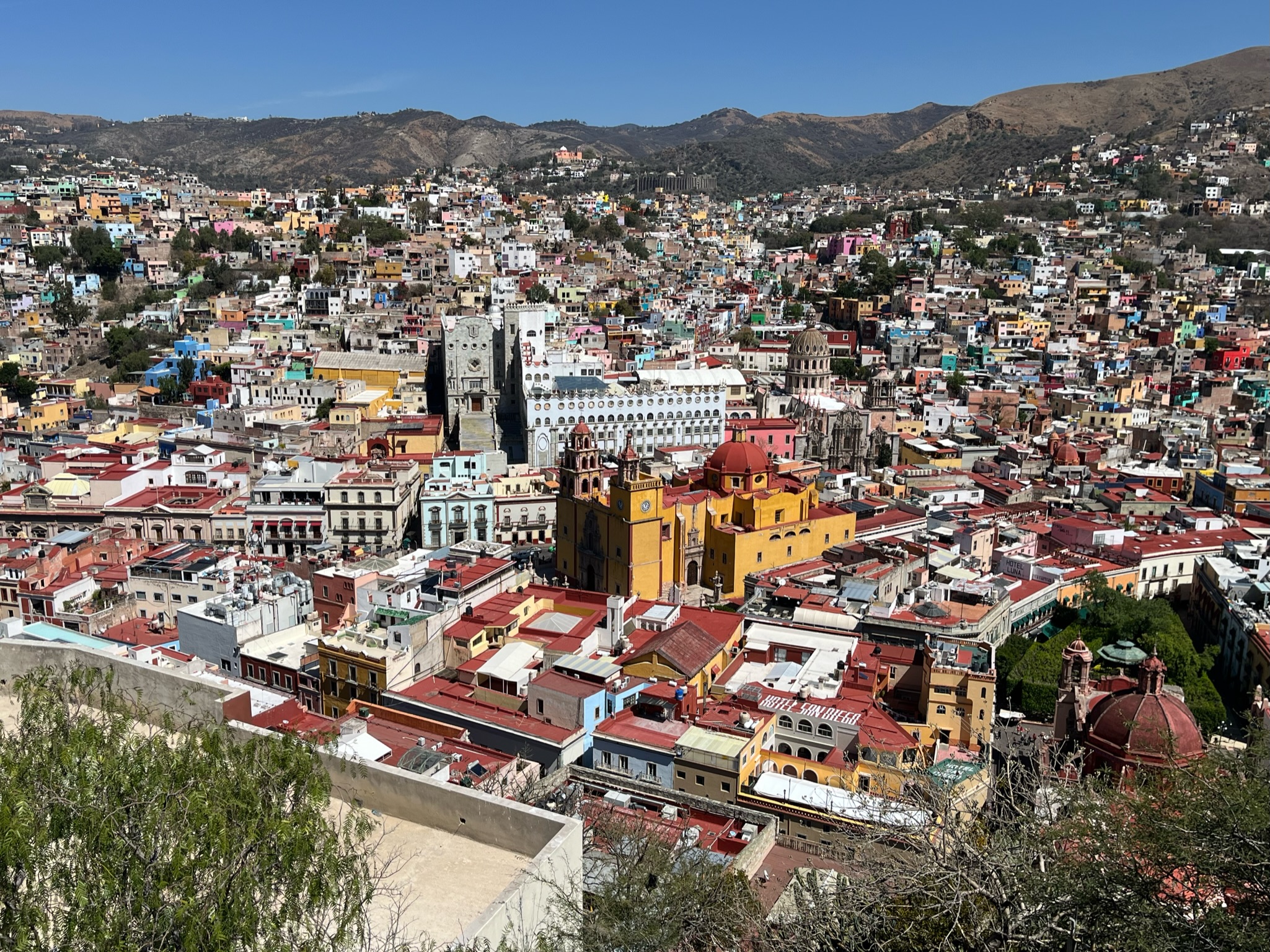
French-press cafe, eggs and bacon served early at our casa by yours truly fuel the early morning ride we booked with Jorge, our guide for the day, to the one-hour-away silver-mining mecca of Guanajuato, a much larger city with a more European vibe than SMA: bigger buildings in centro, wider streets, a huge theater with separate lounge areas for men and women. The women’s lounge in an open area on the second floor has three vast pink sofas that are separated from the cigar-tinged-dark-inlaid-wood-brandy-beneath-august-portraits-only-serious-business-here-mens-lounge by a firmly entrenched wall of glass doors. Inquiring minds wonder who wanted to keep whom from the flow of gossip.
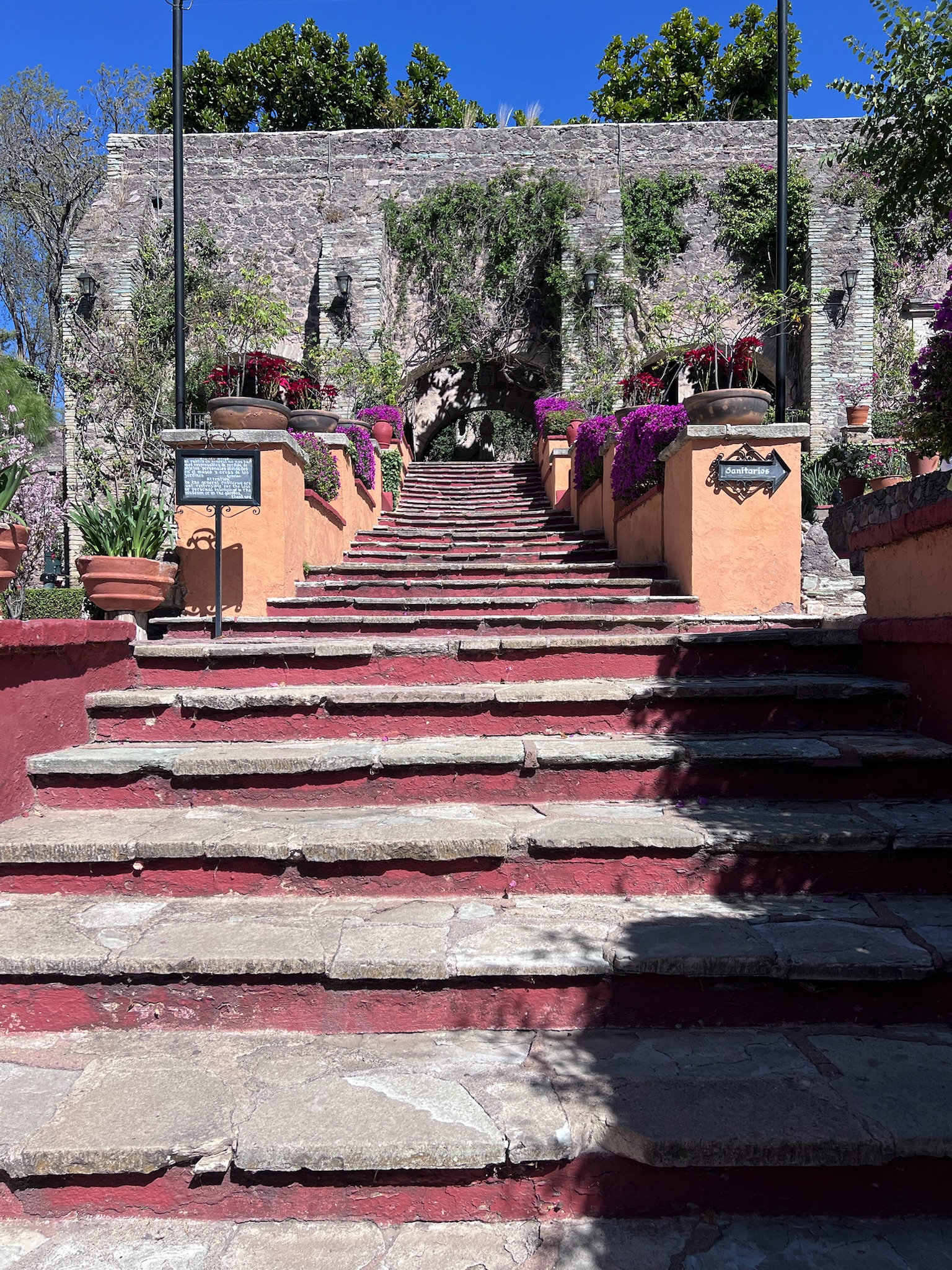
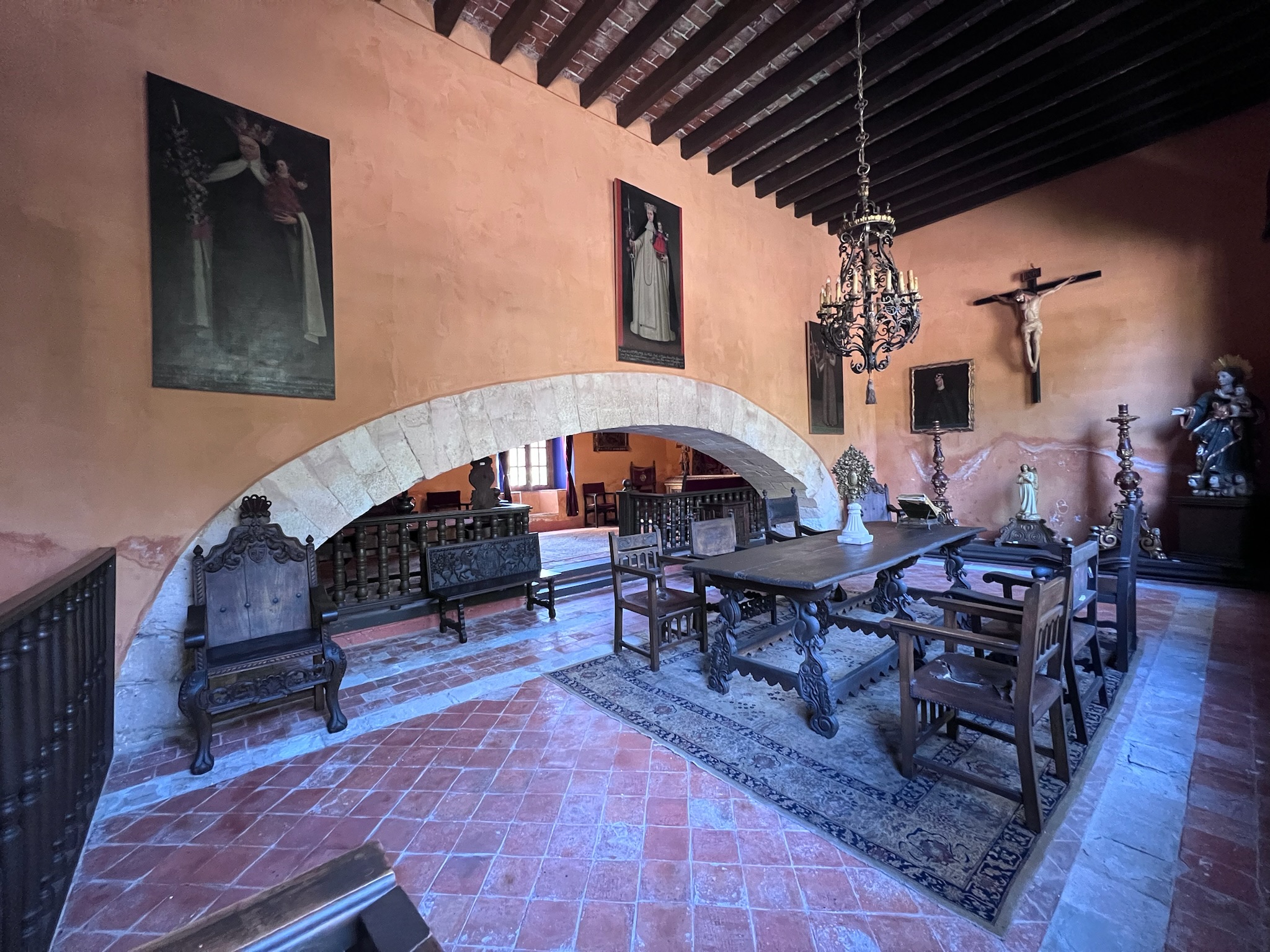
Jorge is a lovely, round-faced, middle-age family man with two sons who attend the university in Guanajuato, and he knows the roads well but he struggles with English while we hardly pretend to dare struggle with Spanish. He walks us through Gabriel de la Berrera’s large, graceful hacienda on the outskirts of town, built in the 1600s for the heir to the Valenciana silver mine, which later produced 60 percent of the world’s silver in the mid-18th century.
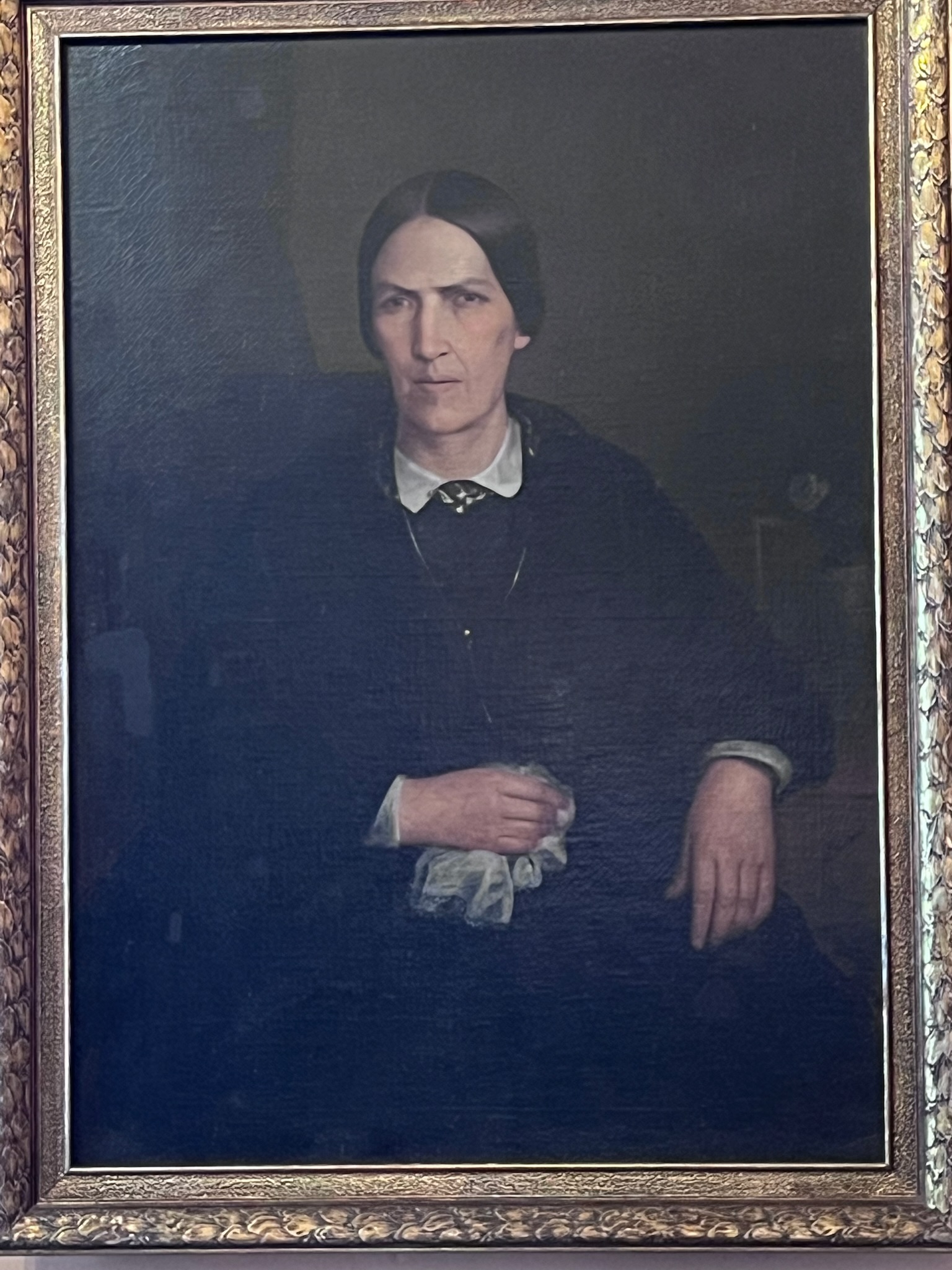
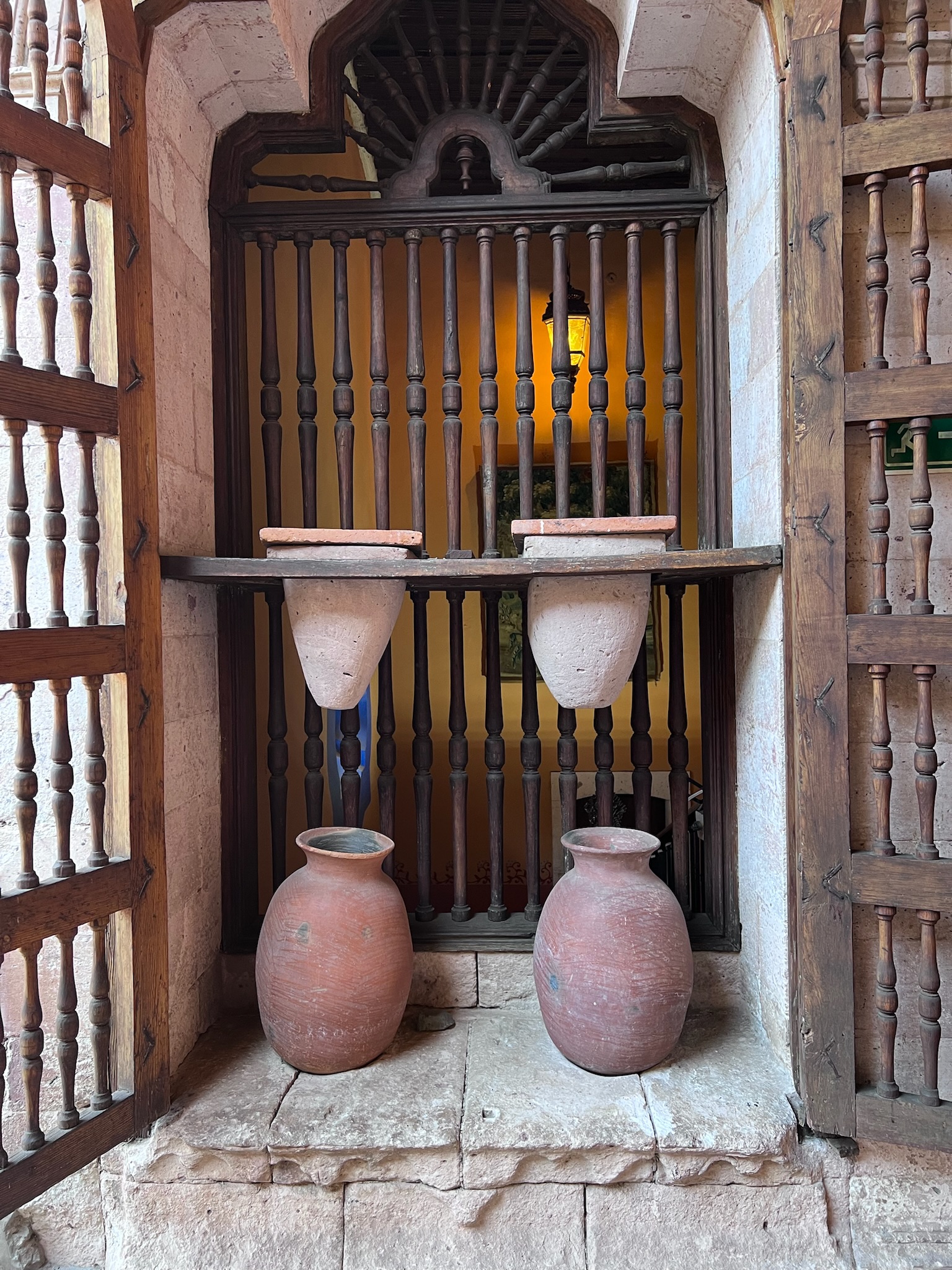
Jorge leads us to the hacienda caretaker’s room and shows us a portrait of a stern-faced woman who looks vaguely like Judith Anderson playing Ms. Danvers in Rebecca. This gal was basically a plant by the local Catholic church to ensure that appropriate portions of de la Berrera’s loot found its way to God’s earthly emissaries, and that all family members were married to “the right sort.” And he points out the four-urn water purification system on the second floor (pour water into the sandstone jugs on top, cover them to keep out insects and dust, let the water drip through into water-tight ceramic bowls below). It’s all grand: 17 different gardens, a pool, several buildings, private chapel … as you might imagine, the place now hosts a lot of weddings.
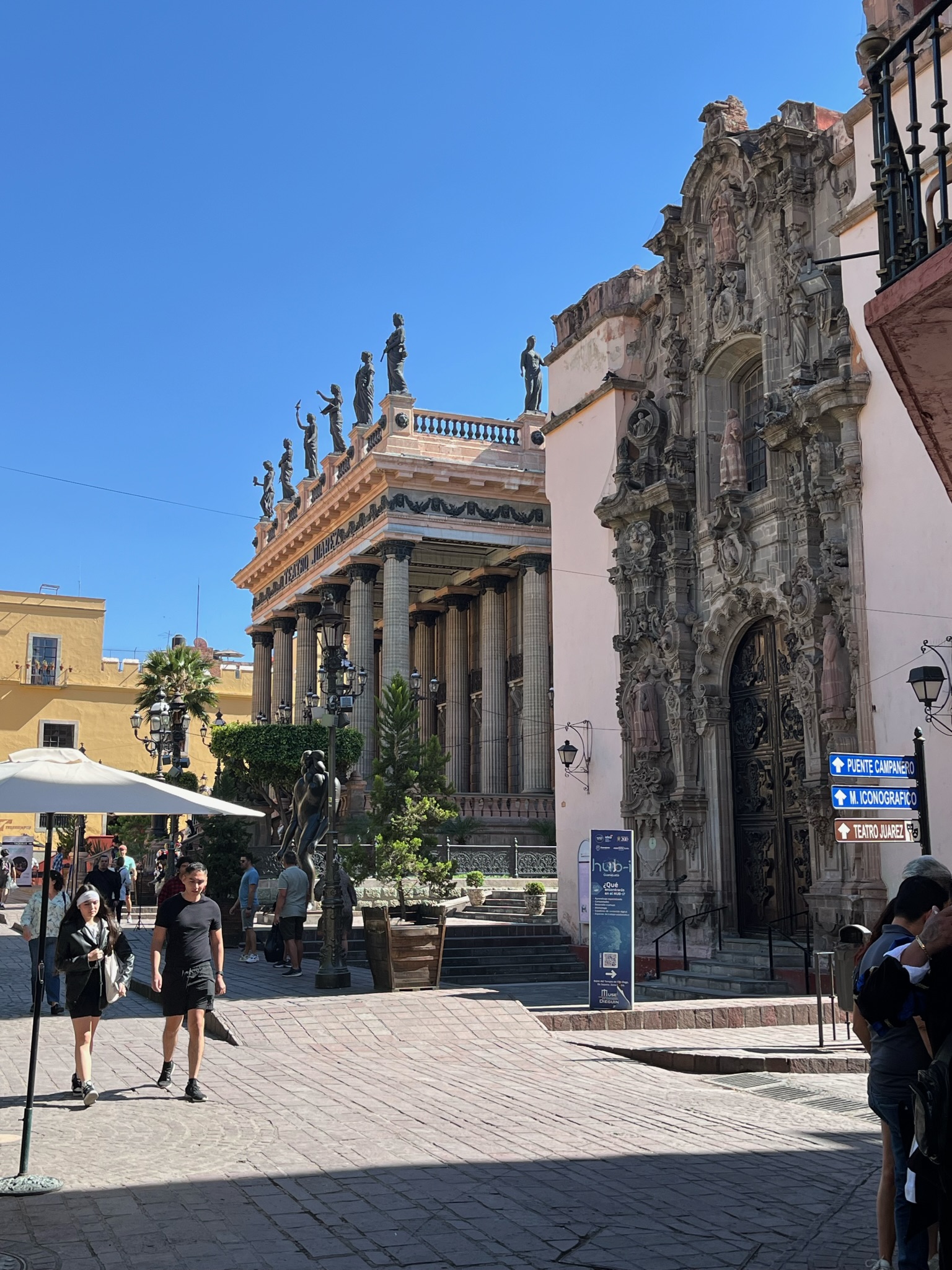
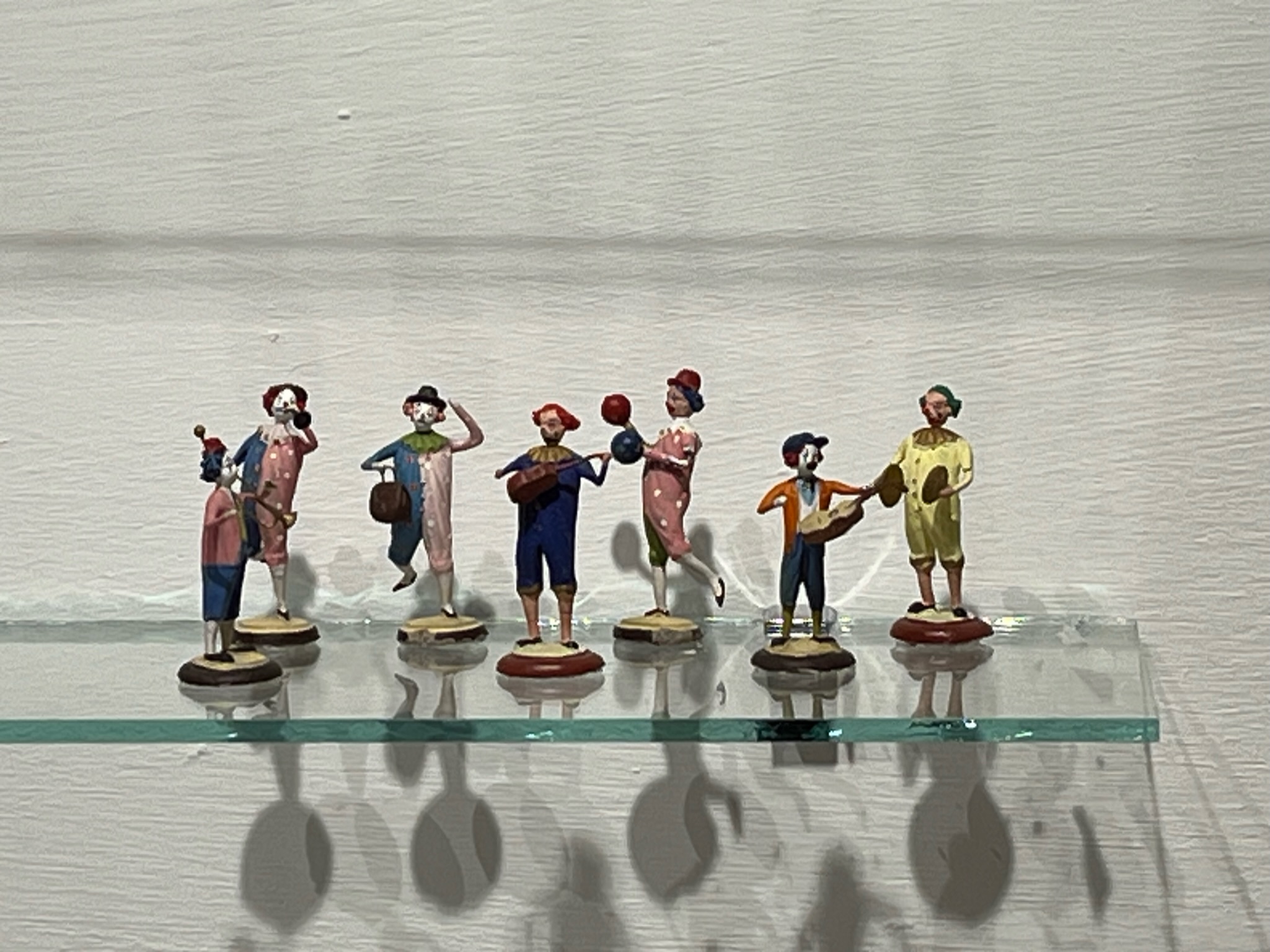
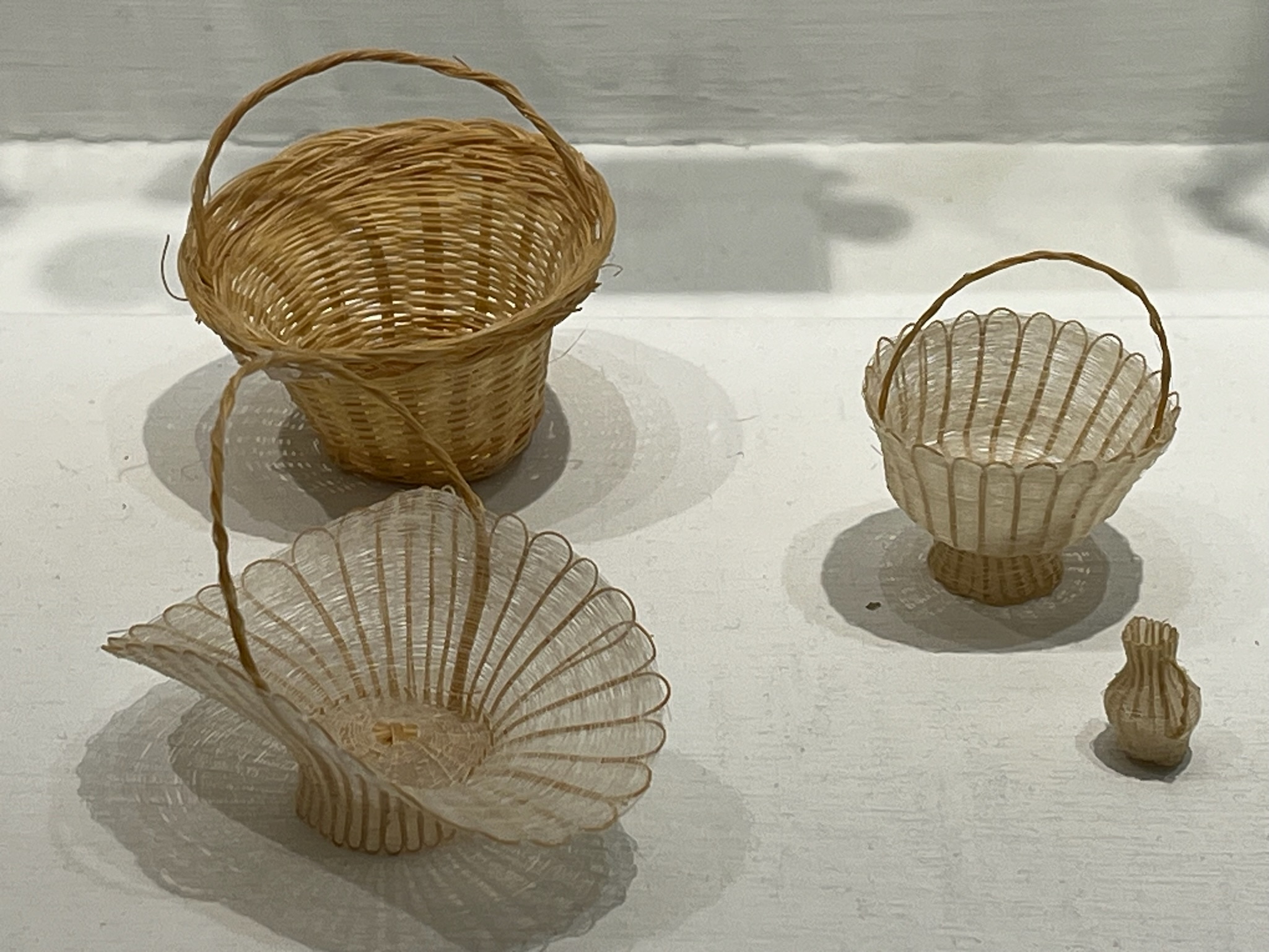
We visit a market that has the feel of an upscale food court; even a few groups of gringos munching away on stools at stalls whose carnitas counters sport myriad dozens of different hot sauces and salsas. We go the Vallejo del Beso — the kissing alley — and snog a bit before lunching across from the Teatro Juarez inside a large open window that lets a steady stream of costumed touts importune us to watch their mariachi bands perform. We go to the baroque Basilica Colegiata de Nuestra Signora Guanajuato — nicely austere with Venetian glass chandeliers — and the People’s Museum, which has mostly modern art: a few rooms of “miniatures” and one room whose walls are a modern tzompantli: “skull racks” like the Aztecs built (walls covered with skulls).
Debra needs to return to SMA for dinner with friends, so we trek back between the two cities across a landscape of rock-hard earth studded with wizened trees that often looks like the Serengeti. Jorge drops Cynthia and I at our casa for G&Ts and takes Debra to meet her 92-year old friend, Cynthia, for dinner.
Later, we try to fall asleep listening to the roar of the television blaring through the house that shares our bedroom wall.

miniatures exhibit

 Two Tramps