The three of us woke early and skipped breakfast so we could ride our pre-arranged cab to the Anthropology Museum where, 45 minutes before it was to open, we waited in a long line on a large entrance plaza. On the stones in somewhat the middle of the plaza was a thin, green rubber mat about a meter and a half square with a white circle in the middle, about eight to nine inches in diameter and with four thick white arrows pointing toward it. We wondered out loud what it was there for, imagining various reasons for 15 minutes or so. The young woman behind us asked if we minded if she interrupted but, she couldn’t help but overhear our musing about the mat, and she would explain it if we wouldn’t mind. Typical Mexican friendliness. We didn’t.
Loooong, story short, Esmeralda said it’s the sign for a gathering place when earthquakes occur. They’re outside large buildings all over Mexico City. Duh. David resists putting Esmeralda in his bag to take home, mostly because she works in the museum’s administration the rest of the day.

We manage to get our entradas in a single line — but must show them subsequently to two more people at various places to get into the museum, keeping the Mexico City process at least somewhat intacto. We get cafe, pane, jugo, etcetera, wolf it and go to the first section, which also represents the oldest artifacts and explanations.
The first artifact we’re directed to by the Q-coded phone app for the museum in the pre-pre-pre-history room is the skeleton of a mastodon lying on the ground under glass. Tusks so large I would not be able to stretch my hands around them and touch fingers. Of course, source of food, clothing, tools, and art materials for the natives. We move on to a variety of sculptures of gods for water and fire and maize and the sun: intricate, delicate in a pre-colombian way. Behind the “Sun Stone” — a stone wheel about 20 feet in diameter praising what makes life grow — there’s a recreation of a Teotihuacan market with hundreds of people, all about four inches high: sitting in front of their market wares and walking around to find the best deal, just like the Mexican open-air markets we subsequently will visit. Le plus ca change ….
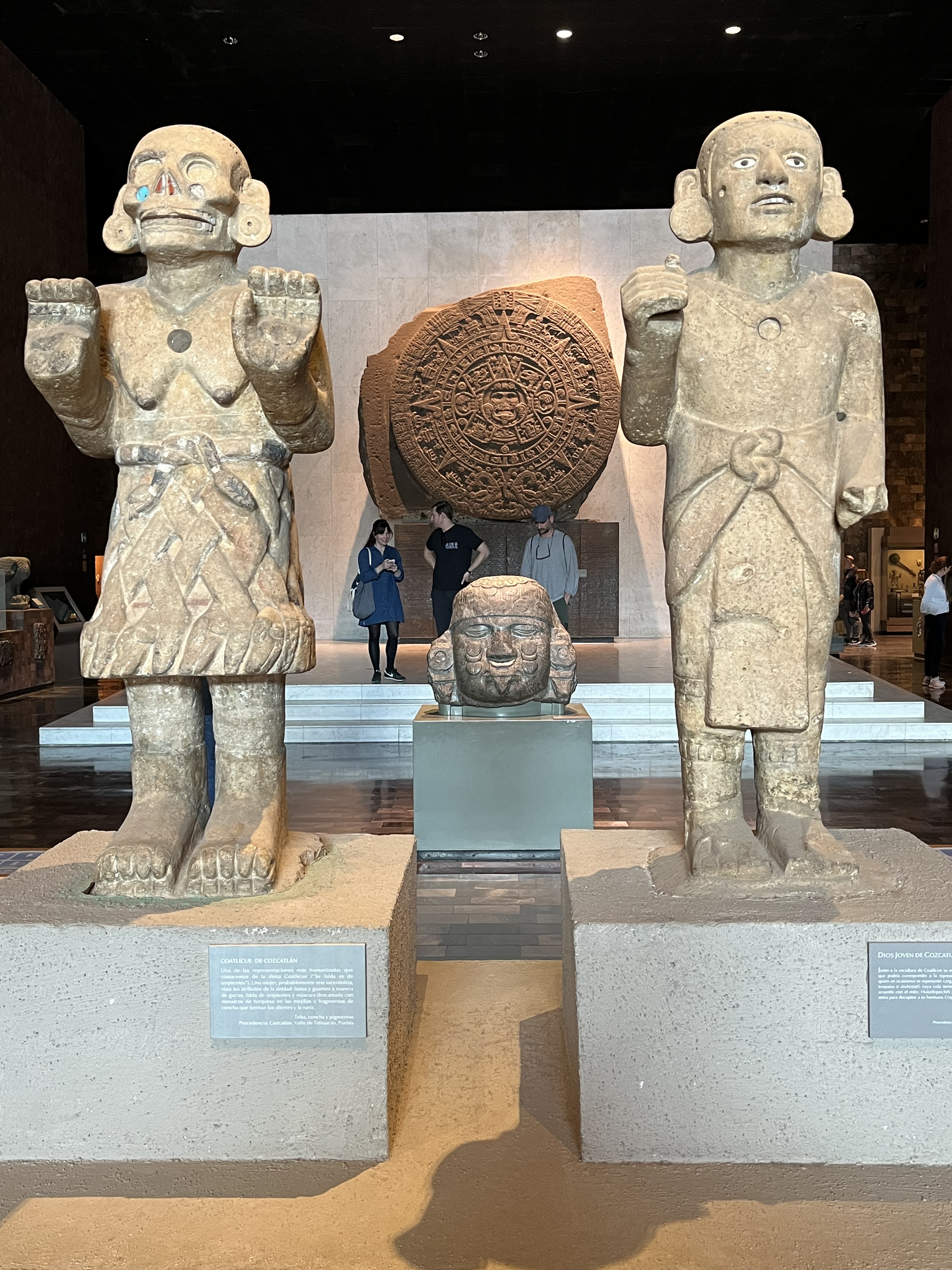
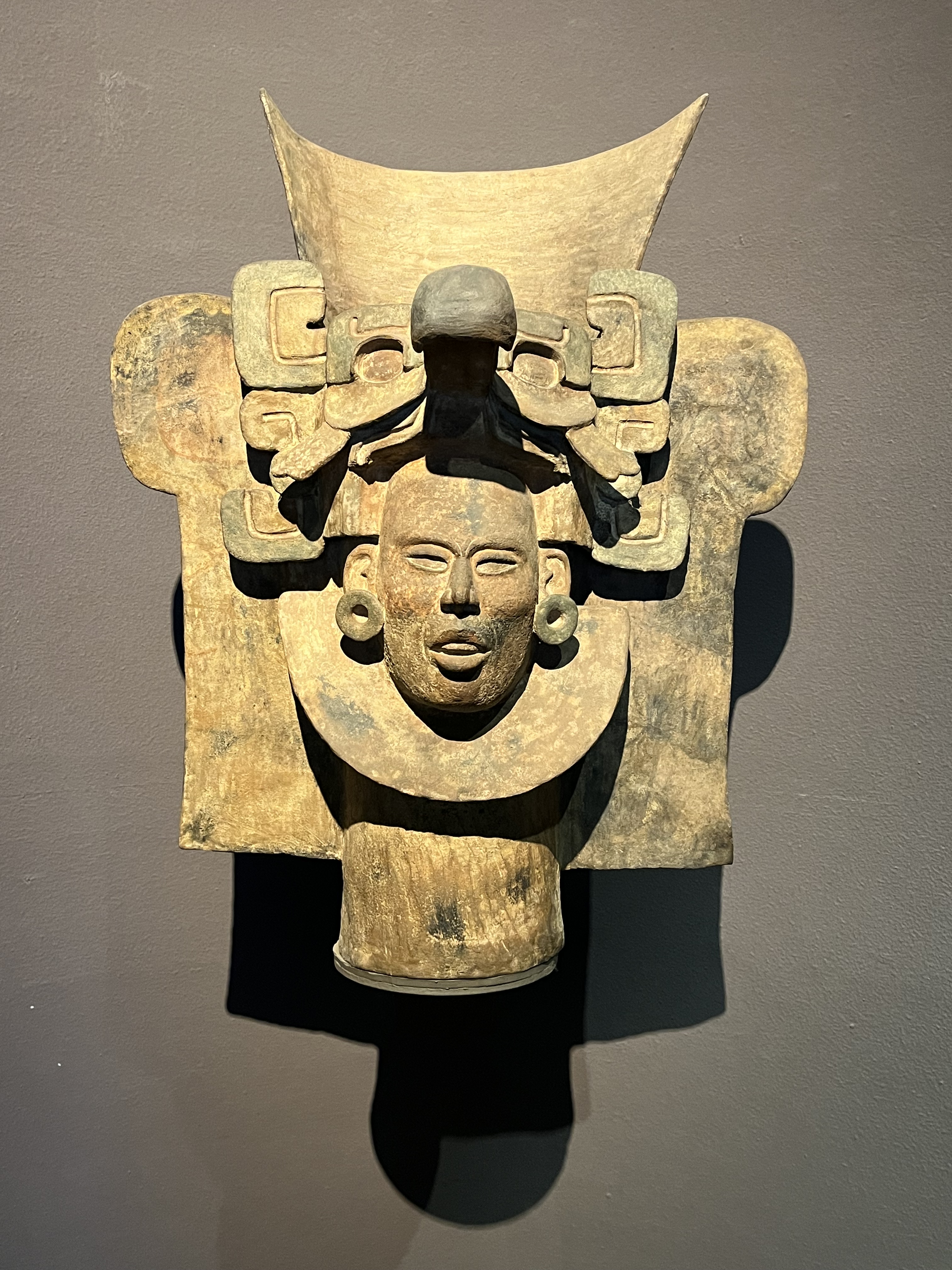
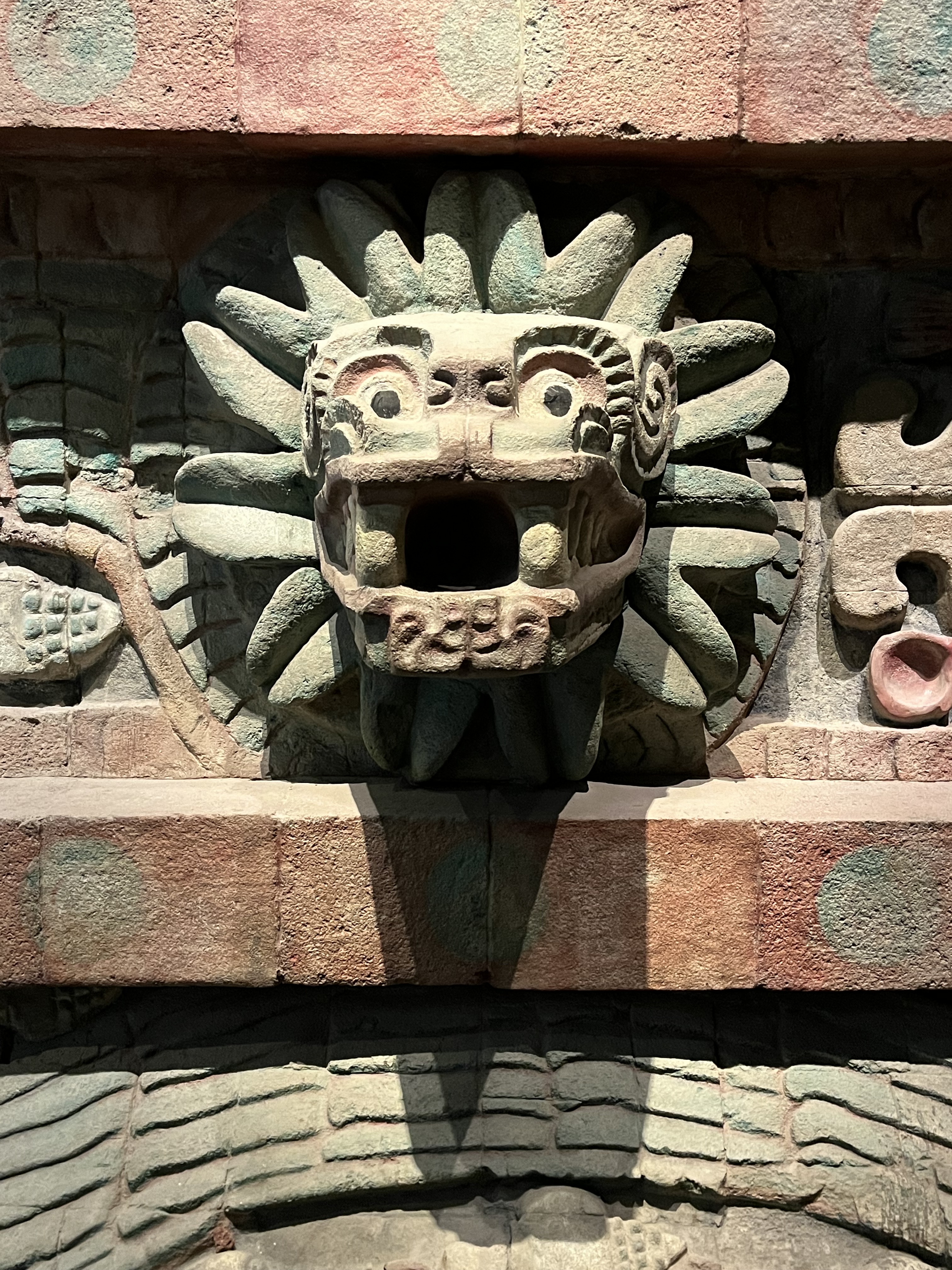
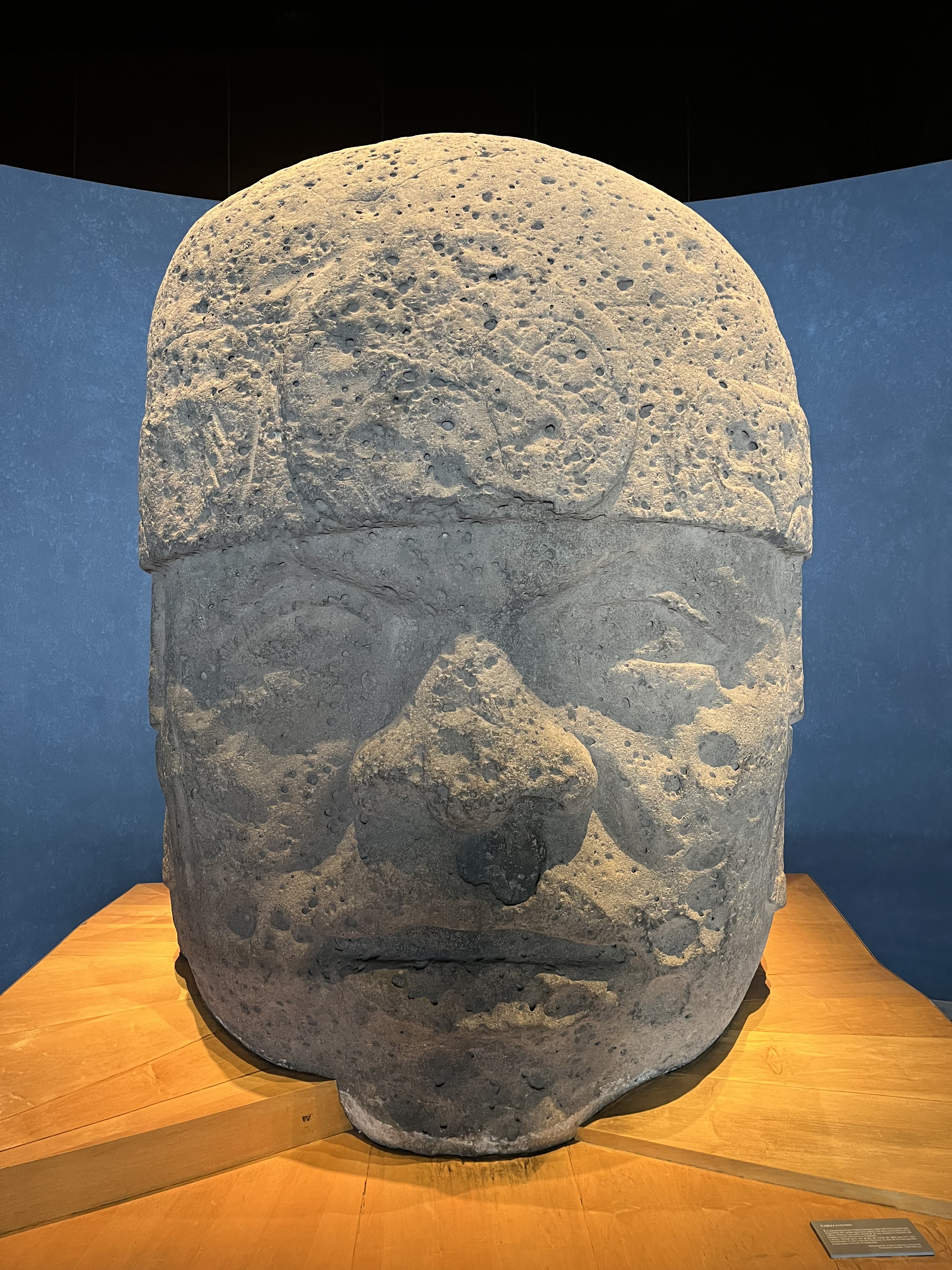

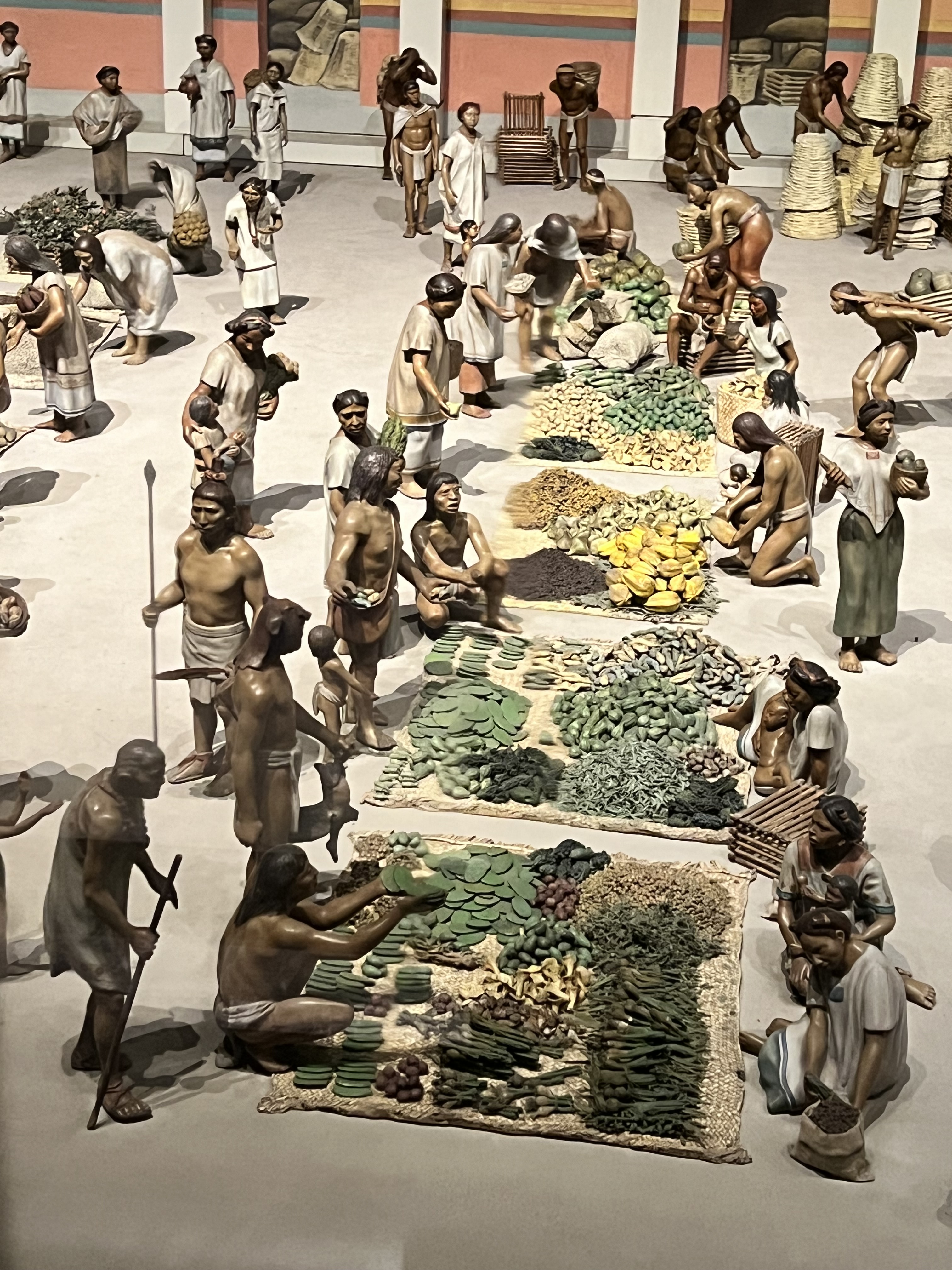

As you move through the different rooms and the times and different cultures they represent, you see simply amazing things: painted scrolls depicting family trees, burial chambers to rival the Egyptian rooms in the British Museum. It’s vast and overwhelming so we adjourn for lunch at the museum cafe and have delicious salads and soups and some tequila with sangrita. Enough. If you haven’t been, you gotta go. David is not a pre-colombian fan, but even he was awestruck.
We exit the museum and walk through parts of downtown’s Chapultepec park. We wanted to see the Chapultapec castle (Nahuatl for “on the hill of the grasshopper”), but were told it was closed until we get to its entrance and the guards simply gesture toward the long uphill road to the entrance and say, “libre.” Debra sits with some foot issues and my better planner and I walk up the hill and see most of the castle in the half hour left before it closes: the monument to the six hero sons (died by diving off the Chapultepec Castle with the Mexican flag rather than yield to American troops in the Mexican-American War of 1847). All kinds of history here in this castle: built in 1785 for the Viceroy of New Spain, later the official residence of Maximilian I, declared the official presidential residence in 1882 by Manuel Gonzalez but, finally, dissed as home by Lazaro Cardenas in 1939.
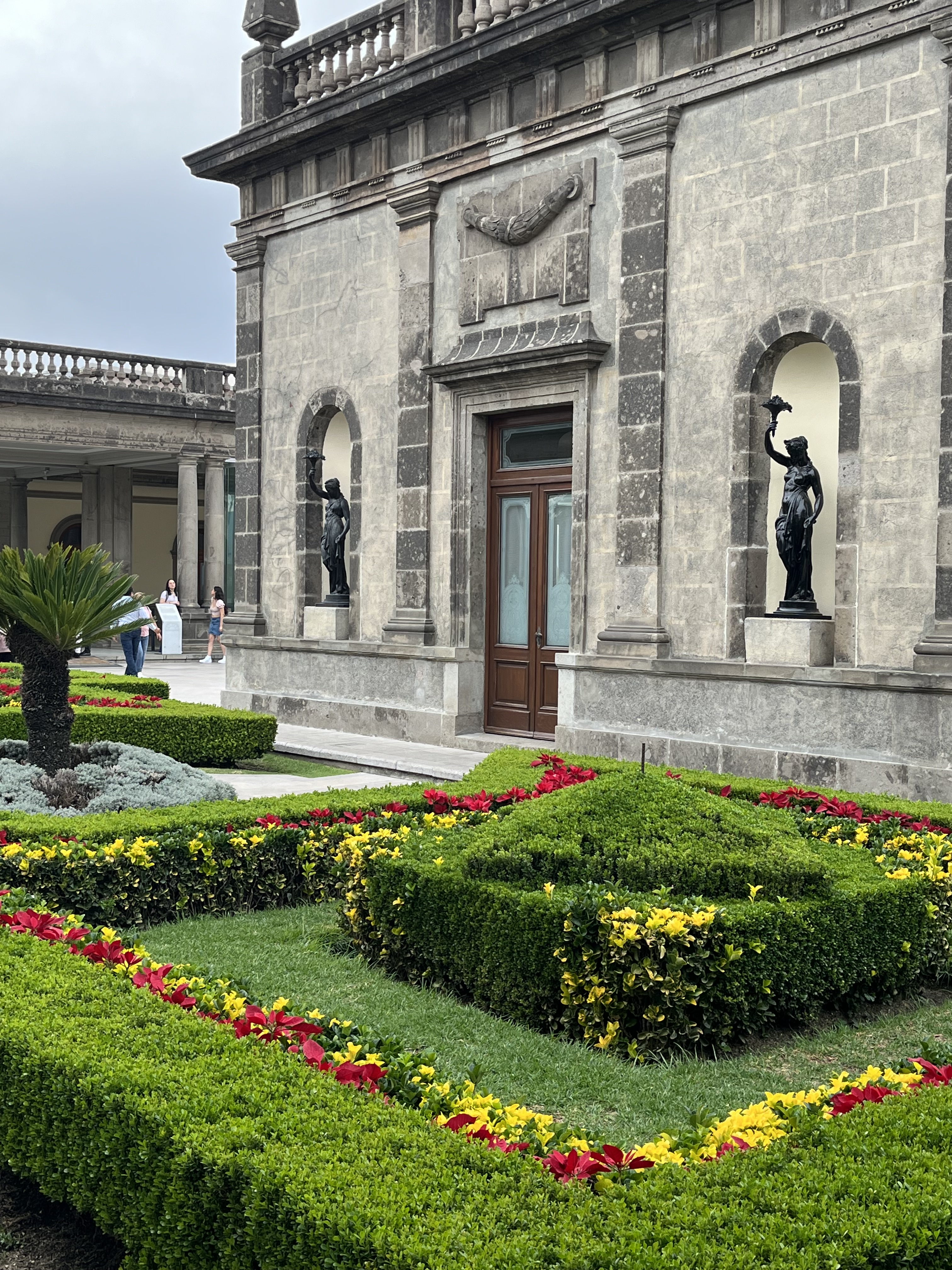
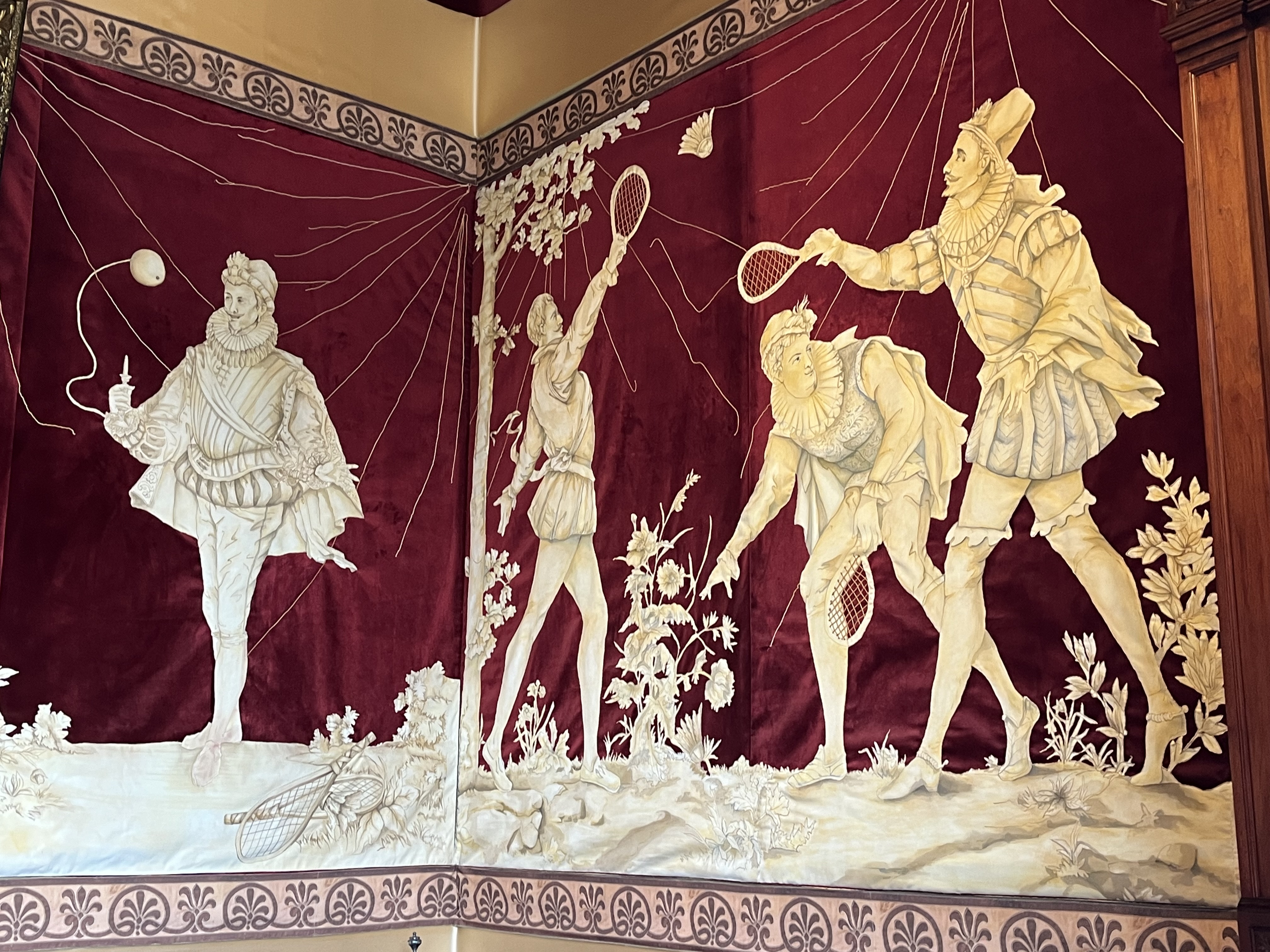

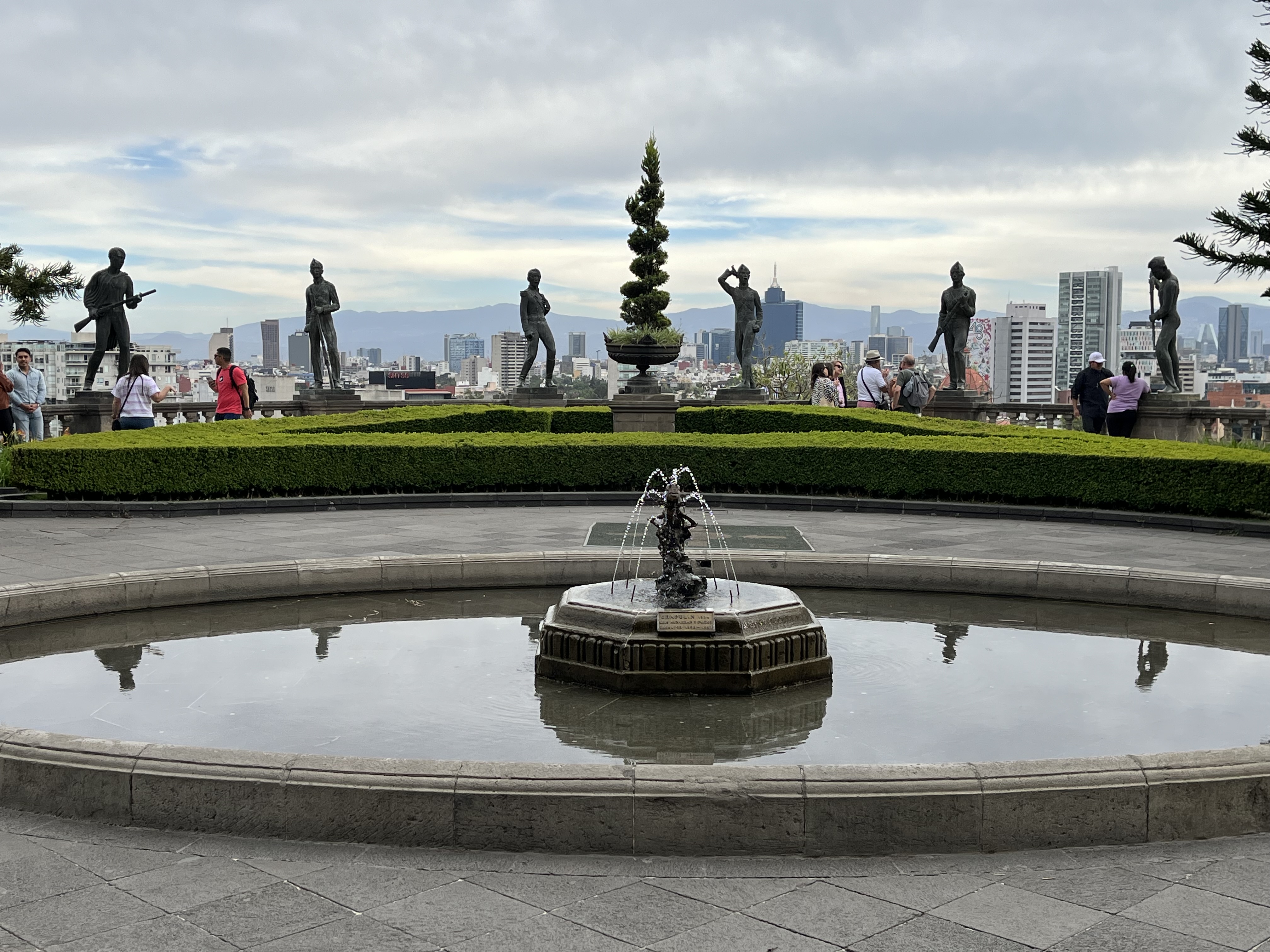
Cynthia and David were literally chased out by the guards. We met Debra and went to Casa Portuguese with a crazy taxi driver from Vera Cruz who would detour into heavy traffic to skyrocket the bill and turn to us with basset-hound eyes and say, “sorry … sorry” smiling all the way. Portuguese restaurant not bad with a lovely 2018 Porca de Musca reserve from the Douro region, where C&D will take a cruise to sample port and sleep in a vineyard come May.
And back to Casa Gonzales.
 Two Tramps